How visualization can help athletes recover from sports injuries
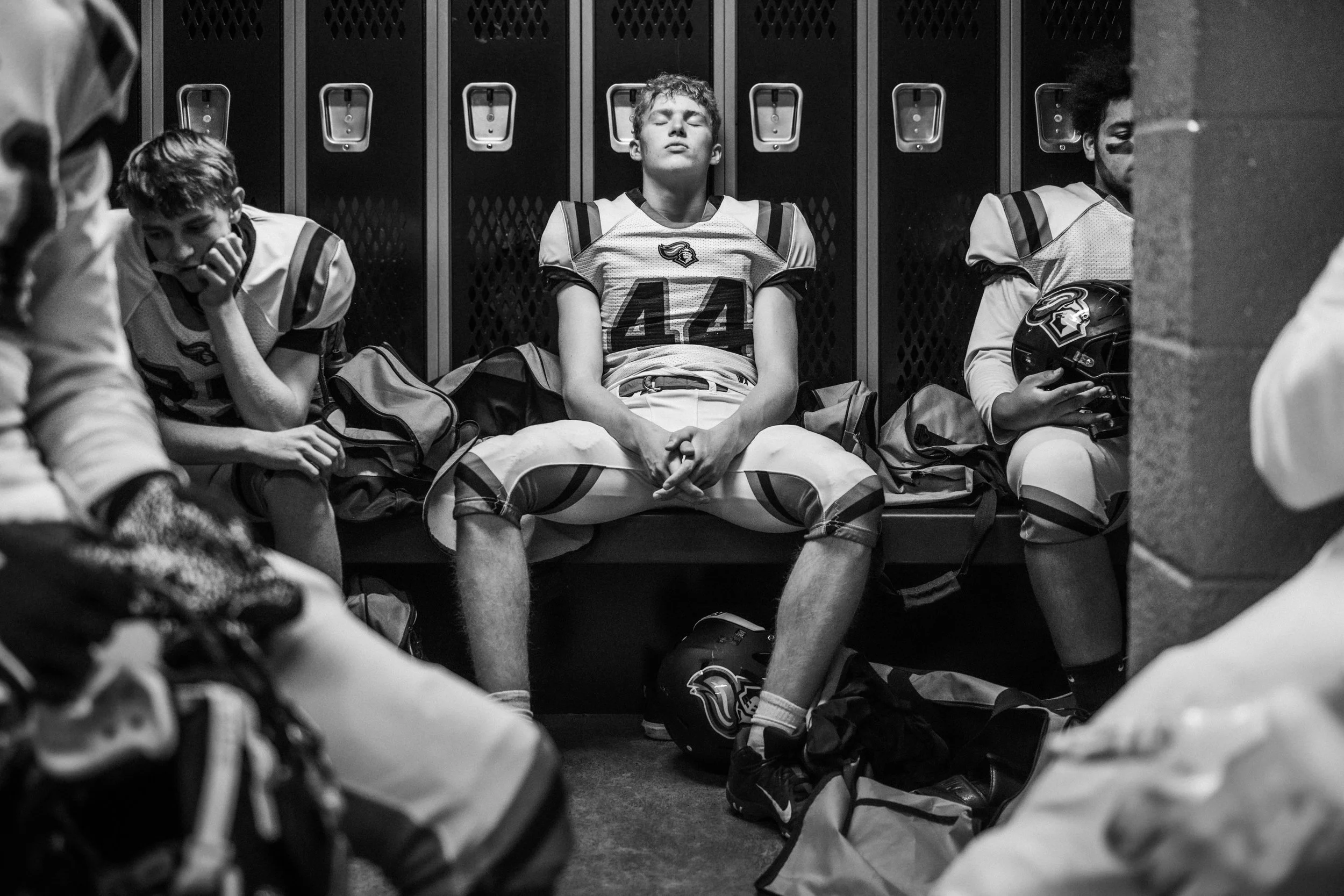
Photo by Tim Mossholder on Unsplash
Your body isn’t the only thing you need to train during injury recovery.
When athletes think about injury recovery, they often think about the physical work:
strengthening exercises
mobility drills
treatment sessions
gradually returning to sport-specific movements
And those things are incredibly important. But there is another part of recovery that is often overlooked:
Training your brain.
Visualization (also called imagery) is one of the most powerful mental skills athletes can use during sports injury rehabilitation.
And no… it’s not just something that elite athletes use before the Olympics or championship games.
Visualization is a skill that can help any athlete navigate injury recovery, rebuild confidence, manage challenges, and prepare for a return to sport.
What Is Visualization?
Visualization, or imagery, is the process of creating or recreating an experience in your mind without physically performing the activity.
Think of it like a mental rehearsal.
Your brain can simulate experiences such as seeing a movement, feeling a position, hearing the environment, and experiencing the emotions associated with an activity, even when your body is not physically doing it.
For injured athletes, this creates a powerful opportunity: Even when your body is limited, your brain can continue to practice.
Common Misconceptions About Visualization
“Isn’t visualization just picturing yourself winning?”
This is probably the biggest misconception.
Many people think visualization means closing your eyes and imagining yourself scoring the winning goal, crossing the finish line, or standing on the podium.
While performance visualization is one type of imagery, it is only one piece of the puzzle.
During injury recovery, imagery can be used for:
managing pain
supporting coping strategies
practicing rehabilitation exercises
rebuilding confidence
preparing for return to sport
Visualization is not just about imagining success. It is about intentionally using your mind as a tool throughout the recovery process.
“I’m not good at visualization. I can’t see anything clearly.”
Another common misconception is that visualization should look like watching a perfect movie in your mind.
For some people, imagery is very clear and detailed. For others, it may feel more like a thought, a sensation, or a general understanding of the movement. Both are okay.
Visualization is a skill. Just like strength, mobility, or a sport skill, it improves with practice.
The goal is not to be perfect. The goal is to become more comfortable creating and controlling mental images over time.
How To Make Visualization More Effective
Two important factors influence how effective imagery can be:
1. Vividness: Make it Real
The more realistic the image feels, the more powerful the experience can become.
Don’t just picture what something looks like. Engage all of your senses:
What do you see? Your surroundings, your teammates, your equipment.
What do you hear? The crowd, your coach, your footsteps.
What do you feel? The ground beneath your feet, your muscles working, the movement itself.
What emotions do you experience? Confidence, excitement, focus.
The goal is to create a complete experience — not just a picture.
2. Controllability
Effective imagery isn’t just replaying a random highlight reel. You want to be able to control the experience.
Can you slow it down? Replay a specific movement? Change the perspective? Focus on a specific skill?
The more control you have over your imagery, the more useful it becomes.
Two Perspectives of Visualization
There are two main perspectives athletes can use when visualizing.
1. Internal Perspective (First Person)
This is imagining the experience through your own eyes. You are inside the movement.
For example:
You are imagining yourself taking a shot in soccer.
You see the ball at your feet.
You feel the movement of your body.
You hear your teammates shouting around you.
This perspective is often useful when practicing the actual sensations of performing.
2. External Perspective (Third Person)
This is imagining yourself as if you are watching yourself from the outside. Almost like watching yourself in a movie.
For example:
You see yourself completing a squat confidently after knee surgery.
You observe your posture, movement quality, and confidence.
This perspective can be useful for analyzing technique, reinforcing confidence, or seeing yourself successfully complete a task.
Four Ways To Use Visualization During Sports Injury Recovery
Visualization can be used throughout the entire injury journey — not just at the end.
1. Healing Imagery
Supporting the early stages of recovery
When an athlete is injured, it can feel frustrating to be limited. Healing imagery allows athletes to create a positive mental representation of the recovery process.
For example:
An athlete with a muscle injury may visualize the injured fibres coming back together, reconnecting, and becoming stronger.
Some athletes imagine:
tissue repairing
swelling decreasing
their body restoring itself
While imagery is not replacing the biological healing process, it can help athletes feel connected to their recovery rather than helpless during it.
2. Pain Management Imagery
Helping athletes cope with pain and discomfort
Pain can be frustrating, distracting, and sometimes overwhelming. Imagery can provide athletes with another strategy to manage their experience.
One example is a colour visualization strategy.
Try this:
Imagine your knee pain is an intense red colour.
At an 8 or 9/10 pain level, the colour may be bright red, hot, intense.
Now imagine slowly softening that colour:
Red → pink → lighter → your normal skin colour
As the colour fades, imagine the sensation of pain decreasing with it.
The goal is not to convince yourself the pain is “not real.”
The goal is to create a sense of control and develop another tool for coping.
3. Rehabilitation Imagery
Practicing movements before you physically perform them
One of the coolest applications of imagery during injury rehab is that athletes can practice movements before they are physically ready.
For example:
A soccer player recovering from an ACL injury may not yet be cleared for cutting drills.
But they can visualize:
planting their foot
changing direction
accelerating
feeling confident in their movement
This helps maintain the connection between the brain and body while gradually rebuilding confidence.
Athletes can also use imagery immediately before exercises: Imagine the movement. Feel the muscles working. Then perform the exercise.
4. Performance Imagery
Preparing for return to sport
As athletes approach return to sport, imagery becomes an important confidence-building tool.
Instead of only imagining being “back,” athletes can rehearse specific situations:
A basketball player can imagine:
jumping
landing
changing direction
competing under pressure
A runner can imagine:
starting a race
managing discomfort
maintaining focus
This gives athletes mental repetitions before they physically return to competition.
A Simple Visualization Exercise To Try Today
Find a quiet space. Take a few slow breaths. Choose one movement, exercise, or sport skill.
Then:
Step 1:
Imagine yourself performing the movement.
Step 2:
Add details:
What do you see?
What do you feel?
What do you hear?
Step 3:
Repeat the movement several times.
Step 4:
Finish by imagining yourself feeling confident and capable.
Start with 2–5 minutes.
Consistency matters more than perfection.
The takeaway: Visualization is a skill, not a superpower
Visualization isn’t about pretending your injury doesn’t exist. It’s not about forcing yourself to “think positive.” It’s about training your brain alongside your body.
Your physical rehab builds strength, mobility, and capacity.
Your mental rehab builds confidence, trust, and readiness.
The strongest recoveries happen when we train both.
Want to learn more about the mental side of sports injury recovery?
At FLOW Mental Performance, we believe athletes deserve support for the entire recovery journey, not just the physical side.
Download our free Mental Skills Toolkit for Injured Athletes to learn practical strategies for building confidence, managing setbacks, and staying mentally strong throughout rehab.
Book a mental performance discovery call to see if one-on-one mental performance support is right for you
Are you a Sports Injury Rehab Professional (physio / chiro / AT / RMT etc.)? Check out the Sport Psychology for Sports Injury Rehab Professionals course to learn how to better support your athletes through the rehab journey!